How-to Start a Boat Tour Business
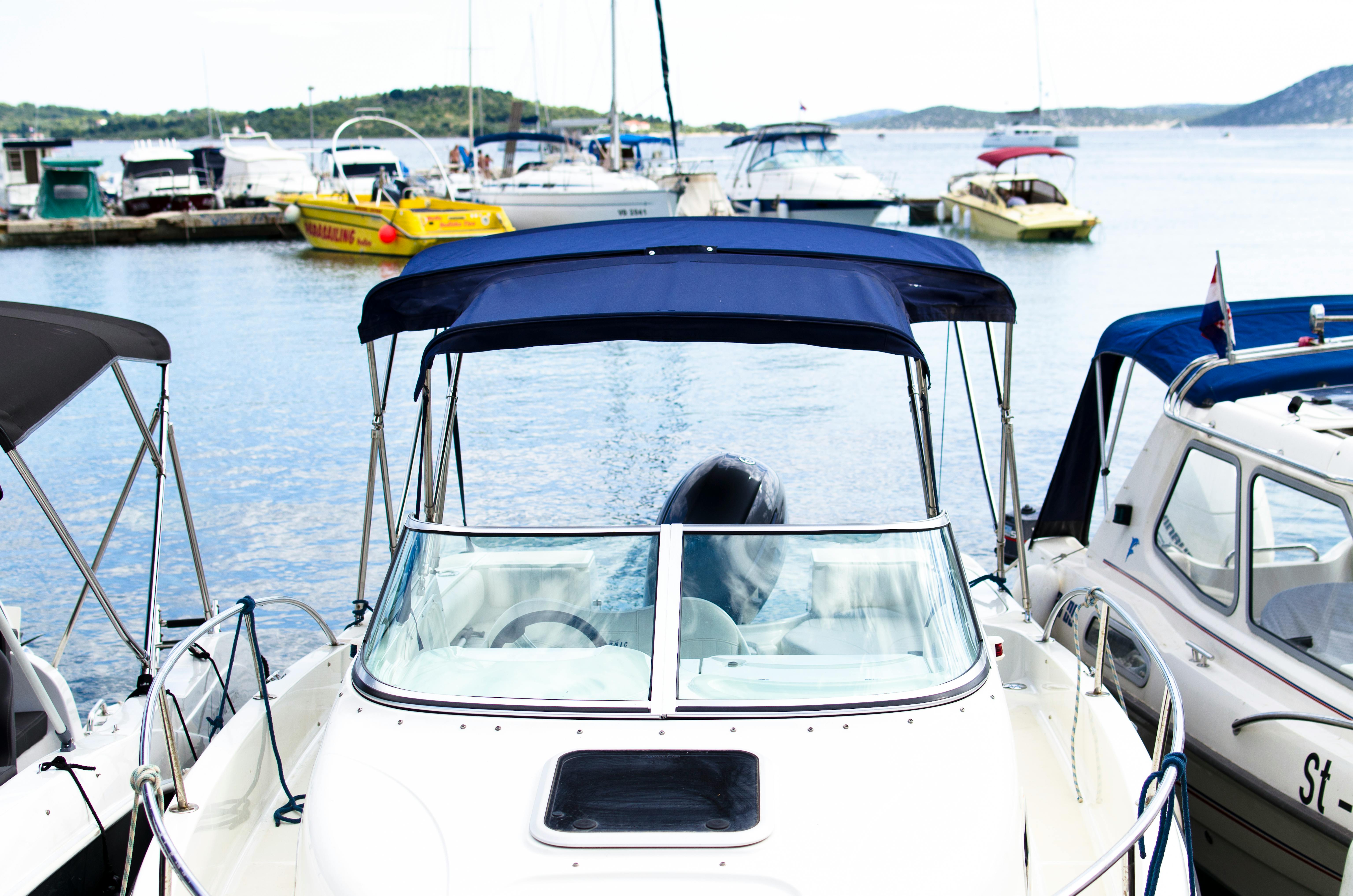
Ever dreamt of establishing your own boat rental empire? Turning that dream into a reality is within your grasp. It takes planning, but the rewards can be significant. Here's a step-by-step plan to start your boat rental empire:
- 1. Thoroughly research the local boating demand.
- 2. Develop a Business Plan, audience, and financial projections.
- 3. Secure Funding, such as loans or investments.
- 4. Acquire fleet that caters to different needs.
- 5. Ensure you have all the legal permits and insurance coverage required.
- 6. Select a convenient and accessible location for your rental business.
- 7. Create a website and leverage social media to promote your business.
- 8. ProvideImpeccable customer service is essential for repeat business.
- 9. Regularly analyze your operations and make changes as needed.
Charting Your Course to Success: How to Start a Successful Boat Rental Company
Dreaming of transforming your passion for boating into a thriving business? Starting a boat rental company can be both profitable, offering the chance to share your love of the water while building a flourishing enterprise. However, launching any business requires careful planning and execution.
Firstly crafting a comprehensive business plan that outlines your target market, rental fleet, pricing strategy, and marketing approach. Researching local regulations and obtaining the necessary permits and licenses is crucial for legality.
Next, carefully curate a diverse fleet of boats to appeal a range of customer preferences. From kayaks and canoes to pontoons and fishing boats, provide options that will entice boaters of all types.
Invest in high-quality safety equipment and enforce strict safety protocols to ensure the well-being of your customers.

Finally, create a compelling marketing plan to reach your target audience. Utilize online platforms, social media, and local partnerships to promote your rental services and build brand awareness.
Charting Your Course: Starting a Profitable Boat Tour Business
Embarking in the journey of starting your own boat tour business can be both thrilling and challenging. First crafting a detailed business plan that outlines your target audience, unique selling proposition, pricing strategy, and marketing plan.
- Investigate local regulations and licensing requirements for boat tours in your area.
- Acquire a suitable vessel that meets safety standards and carries your desired number of passengers.
- Create engaging tour itineraries that highlight the beauty of your local waterways.
For attract customers, market your tours through various channels such as social media, local tourism boards, and partnerships with hotels and resorts. Provide excellent customer service to build a loyal following.
Ultimately, success in the boat tour industry depends on your passion for boating, knowledge of local waters, and dedication to create unforgettable experiences for your passengers.
Chart towards Success: The Ultimate Guide to Opening a Boat Tour Company
Dreaming of turning your love for the open water into a thriving business? Launching a boat tour company can be an exciting and rewarding venture, offering unforgettable experiences for adventurous souls. But, navigating those choppy waters of entrepreneurship requires careful planning, market savvy, and a passion for providing exceptional service. This comprehensive guide will equip you with the essential knowledge and insights to successfully launch your own boat tour empire.
First and foremost, perform thorough market research to identify the target audience and their preferences. Determine which type of tours would resonate with your potential customers – be it sightseeing cruises, sunset voyages, wildlife expeditions, or something more unique. Once you've defined your niche, craft a captivating business plan that outlines your objectives, operational strategy, and financial projections.
- Confirm you meet with all relevant regulations and licensing requirements.
- Obtain appropriate insurance coverage to protect your business and potential liabilities.
Commit in a safe, reliable, and comfortable vessel that meets the needs of your tour offerings. Consider factors such as size, capacity, amenities, and fuel efficiency. Finally, build a dedicated team of experienced boat captains, knowledgeable guides, and enthusiastic staff who are passionate about providing exceptional customer service.
With meticulous planning, unwavering dedication, and a sincere commitment to exceeding customer expectations, your boat tour company can set sail on a course towards resounding success.
Exploring the Cost of Adventure: Startup Expenses for Boat Tours
Launching a boat tour business can be an exciting endeavor, but it's essential to analyze the startup expenses carefully. Before you set sail, allocate your finances for crucial costs like vessel acquisition or leasing, authorizations, insurance, crew, and marketing strategies. Don't forget about ongoing expenses such as fuel, repairs, and unexpected challenges. By thoroughly planning your budget, you can guarantee a how to open boat tour business smooth journey into the world of boat tours.
Initiating a Boat Tour Company: What's the Financial Haul?
Embarking on the voyage of launching a boat tour company can be both exhilarating and daunting. Before you set sail, it's crucial to chart your financial course and understand the costs involved. The price tag for beginning this business varies depending on factors like location, boat size, and services.
- Generally, the most significant investment is acquiring or leasing a suitable vessel. Consider charges for maintenance, insurance, and fuel.
- Marketing and promotion are essential to draw customers. Dedicate funds for website development, social media, and perhaps even print advertising.
- Legal requirements can also incur costs. Explore licensing, permits, and safety certifications needed to run your tour company legally.
Meticulous financial planning is key to overseeing the costs of launching your boat tour company. Seek advice from industry consultants and develop a realistic financial plan.